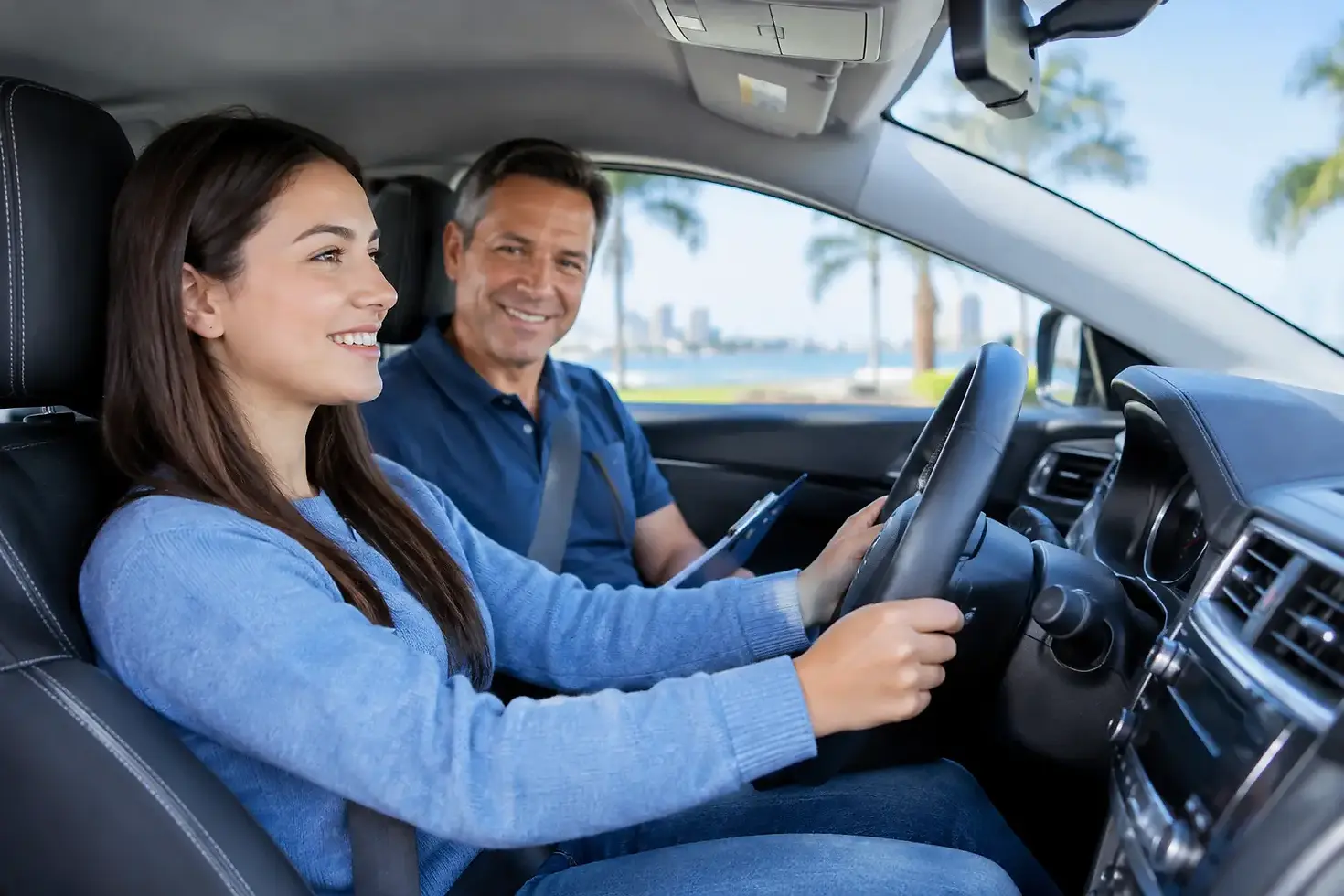
How Boca Raton Driving Schools Build Confidence

A learner’s permit can feel exciting for about five minutes. Then comes the first busy intersection, the first attempt at parallel parking, or the realization that knowing the rules is different from making safe decisions while traffic is moving around you. The best Boca Raton driving schools help close that gap with calm, real-world practice, not pressure or one-size-fits-all instruction.
For teens, adult beginners, returning drivers, and anyone who gets nervous behind the wheel, the right school should make driving feel more manageable one decision at a time. The goal is not simply to pass a road test. It is to develop the awareness, control, and judgment that make independent driving safer long after test day.
What Boca Raton Driving Schools Should Offer
Not every lesson format gives students the same amount of practice or feedback. A student who is learning steering control may need a completely different session from someone who can drive comfortably but freezes during parking maneuvers. That is why private, one-on-one instruction can make such a difference.
In a private lesson, the instructor can spend time on the skill that actually needs attention. For one driver, that may mean smooth braking and turns. For another, it may mean judging gaps in traffic, changing lanes without drifting, or handling a four-way stop without feeling rushed.
Look for Florida State Certified instructors who are patient enough to explain the why behind each correction. “Slow down” is not as helpful as explaining when to ease off the accelerator, where to look before a turn, and how extra space gives a driver more time to react. Good coaching is specific, calm, and focused on improvement rather than embarrassment.
A dual-control vehicle is another meaningful safety feature, especially for brand-new or nervous drivers. It allows the instructor to assist when necessary while the student remains in the driver’s seat and continues learning. That extra layer of protection can help students practice unfamiliar situations without feeling like one small mistake will become a major problem.
Convenience matters, too. Families are busy, and adult students may be balancing work, school, or caregiving. Door-to-door pickup from home, school, or work can remove a barrier that often keeps practice from happening consistently. Weekend availability is valuable for the same reason: progress comes from getting behind the wheel regularly, not from waiting weeks between lessons.
Private Lessons Create Real Progress
There is no magic number of hours that makes every driver ready. Some students need a few focused lessons before a road test. Others need more time to become comfortable with traffic, parking, and the basic rhythm of driving. A quality school should offer flexible packages rather than pushing every student into the same schedule.
The first lesson should establish a realistic starting point. An instructor may begin in a lower-pressure area to see how the student handles seat position, mirrors, steering, acceleration, braking, and visual scanning. From there, the lessons can build naturally toward neighborhood driving, busier roads, turns, lane changes, parking, and test-focused maneuvers.
That progression matters. Throwing a beginner into heavy traffic too early can create anxiety. Keeping a driver on quiet streets for too long can create false confidence. The right pace depends on the student, but it should always include a clear next step.
At ACE THE TEST - DRIVER’S ED, private behind-the-wheel lessons are designed around that kind of individual progress. A calm instructor can challenge a student without making the lesson feel intimidating, which is often the difference between a driver who memorizes a maneuver and one who understands how to use it safely.
Skills That Deserve More Than a Quick Review
Road tests assess basic control, but daily driving asks for more. A strong lesson plan should give students repeated, practical experience with the skills they are most likely to use after earning a license.
Students should practice proper turns, complete stops, backing up, lane positioning, safe following distance, parking, three-point turns, and observing right-of-way. They also need to learn how to check mirrors without staring at them, scan intersections before entering, and notice potential hazards before they become urgent.
Defensive driving is especially important in South Florida traffic. It means leaving space, expecting other drivers to make mistakes, avoiding distractions, and staying patient when someone else is impatient. It does not mean driving timidly. It means making choices that give you options.
Preparing for the Florida Class E Road Test
Road-test preparation should not feel like a secret list of tricks. The Florida Class E road test is designed to confirm that a driver can control the vehicle and follow safe traffic practices. Students should know what will be evaluated and have enough repetition that the required maneuvers feel familiar.
Before test day, a student should be comfortable demonstrating smooth starts and stops, proper turns, backing, parking, a three-point turn, and safe observation at intersections. They should also understand how to use turn signals correctly, maintain control at appropriate speeds, and follow signs and pavement markings.
The biggest test-day issue is often not lack of knowledge. It is nerves. When a driver is anxious, they may brake too late, forget a mirror check, turn too wide, or rush through a stop. Private practice helps because it lets students make those mistakes early, receive immediate feedback, and try again without an audience.
A final skills review can be helpful for permit holders who have already practiced with family but want an objective assessment. An instructor can spot habits that loved ones may not notice, such as rolling stops, late signals, inconsistent speed, or looking too close to the front of the vehicle instead of farther down the road.
A Better Way to Practice With Family
Family practice is valuable, but it works best when everyone has a plan. Parents and guardians do not need to act like driving examiners. They can support safer practice by choosing routes that match the student’s current skill level and focusing on one or two goals per drive.
For example, a 30-minute session could focus on smooth braking and full stops. Another could focus on turns and lane position. A later drive might include parking practice in a low-pressure lot before trying the same skill in a busier setting.
Avoid giving several directions at once. Saying “slow down, signal, check your mirror, move over” can overwhelm a beginner. Give the next most important instruction, then talk through what went well after the vehicle is parked. Confidence grows faster when students understand both their wins and their next step.
Florida teens under 18 also need to complete the required supervised driving experience before receiving a license, including daytime and nighttime practice. Keep a consistent record of those hours and use them intentionally. Repeating only the easiest route may add time behind the wheel, but it will not create the same readiness as varied practice in different traffic and lighting conditions.
How to Choose a School That Feels Right
Price matters, but the cheapest option is not always the best value if the lesson is rushed, shared, or poorly matched to the student’s needs. Ask whether instruction is private, whether vehicles have dual controls, whether instructors are Florida State Certified, and whether lessons can be customized around road-test preparation, beginner fundamentals, or confidence building.
It is also reasonable to ask about pickup areas, weekend scheduling, and package options. These details affect whether a student can practice consistently enough to improve. A great instructor is only helpful if lessons fit into real life.
Most of all, pay attention to the school’s approach. Students learn more when they can ask questions without feeling judged. A patient instructor should correct unsafe habits clearly while still making the student feel capable of getting better.
The right driving school does not promise that every lesson will feel easy. Some skills take repetition, and nervous drivers may need time before busy roads feel comfortable. But with patient coaching, a safe vehicle, and regular practice, progress becomes visible. The next time you sit in the driver’s seat, focus on one calm, safe decision at a time. That is how confidence becomes a habit.


